ANCESTRAL REVERB
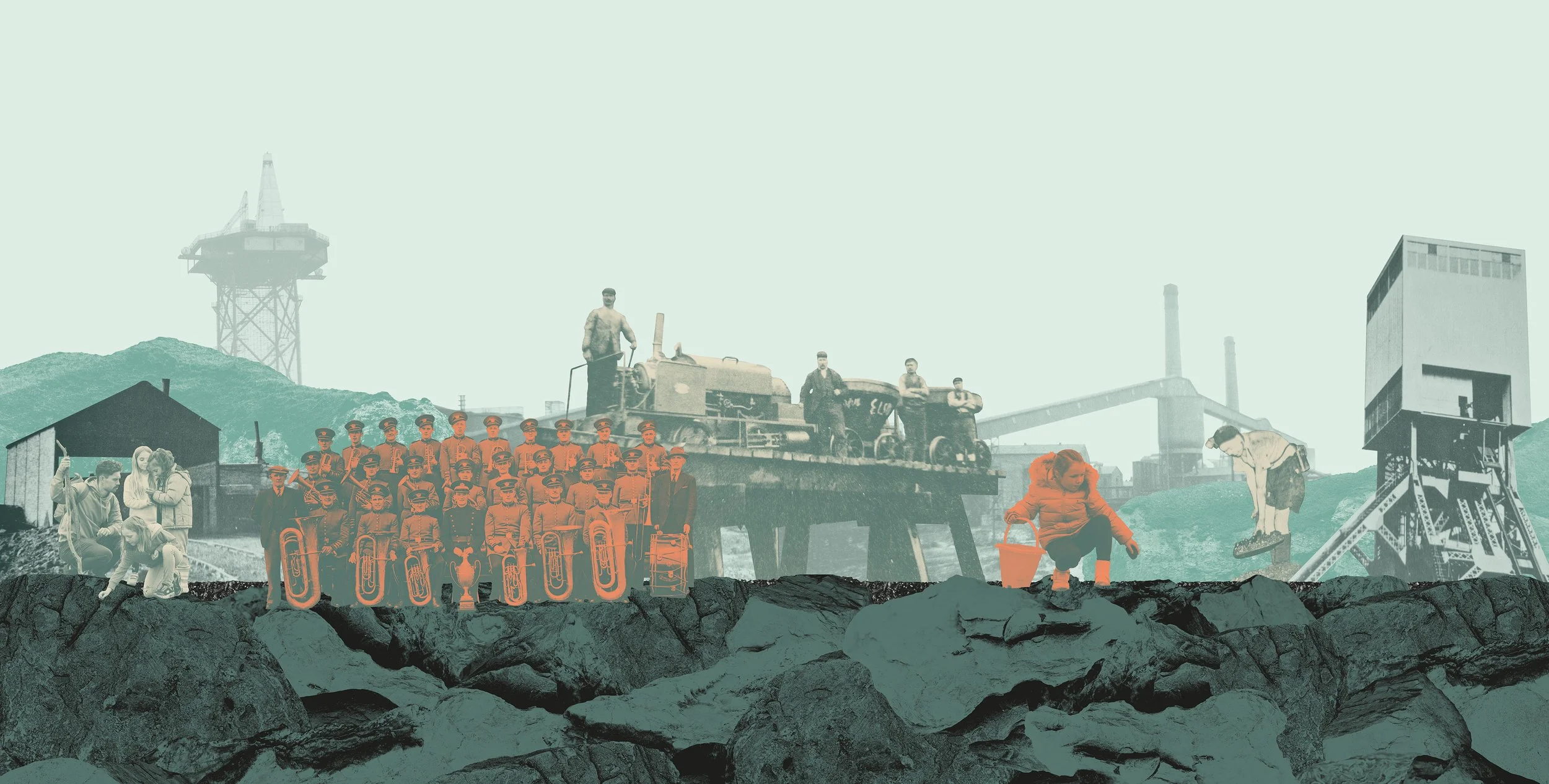
Ancestral Reverb is an exploration of our Carbon Heritage, through sounds, words and pictures.
The piece was made using music spanning over 100 years, and the words of coal community members whose ages ranged from 5 to 94. It contains sounds captured in a coal mine, photos taken with a Victorian-era camera, and stories passed through generations. The records are embedded with fragments of coal, scavenged in big chunks from the beach at Blackhall Colliery.
Each record is an heirloom, entrusted into the care of families and institutions who carry parts of our collective Carbon Heritage. We hope they care for them and hand them down with hope and pride.
The project was commissioned by the Durham Miners Association, as part of the Redhills creative residency programme.
Ancestral Reverb is supported using public funding by Arts Council England.
Our Carbon Heritage Story
Weigh all the coal ever hewn in County Durham and it would come to about 4.5 billion tonnes. That’s enough coal to fill the London Underground more than 1,200 times over. The deepest pit in the North East of England was Vane Tempest. At 2,100 feet, it was deep enough to bury ten Durham Cathedrals stacked on top of each other. Easington pit was dug far out under the floor of the North Sea: the men would be lowered down in the cage, then walk six miles to the coalface to start their day’s work.
The coal was mined. It was gouged and bashed and pulled up out of the ground over hundreds of years, in hundreds of villages, with hands and hand tools and ponies, and later by enormous machines, always in the deep dark. We’re familiar with images of coal-grimed mineworkers, but you should know that, whether miner or shopkeeper, man or woman, whether below the ground or above, the people of a whole village worked the pit.
We burned the coal, all 4.5 billion tonnes, for energy – to smelt metal, to heat homes, to cook food and make electricity. Britain’s Industrial Revolution, its prosperity and its Empire, was built on coal. We burned it to drive warships and to boil the kettle.
This is one way of thinking about our Carbon Heritage story: billions of tonnes of coal burned and sent into the air; an inheritance of carbon dioxide and a changed climate for generations to come. But this is just one way.
The men and women of colliery communities stood together and fought for hundreds of years, and are still fighting. They fought the oppression of mine owners, they fought establishment institutions, and they fought the government, winning some of the first workers’ rights and protections in the world: a minimum wage, a minimum working age, legislated safety standards, and much more.
We inherit from colliery communities a tradition of fighting for justice and progress, and these communities offer us ways to support each other through hardship and crisis by drawing on the bonds established by the traditions and dangers of work, by community organisation and ingenuity, and by craft, fierce eloquence and music-making.
Our Carbon Heritage story is dominated by the strikes of the 1980s and the figure of Margaret Thatcher, quite rightly. But there’s more story than that, a continuing story of change and adaptation, of sustained melodies and the cold feel of the trumpet mouthpiece on the lips of the player, of the weather talk between grandfather and granddaughter, of community togetherness, remembering and thinking ahead.
How We Made Ancestral Reverb
Ancestral Reverb contains sounds captured in a coal mine, photos taken with a Victorian-era camera and stories passed down through generations. The record explores our Carbon Heritage story, and was made with the help of about 50 people from around the North East of England.


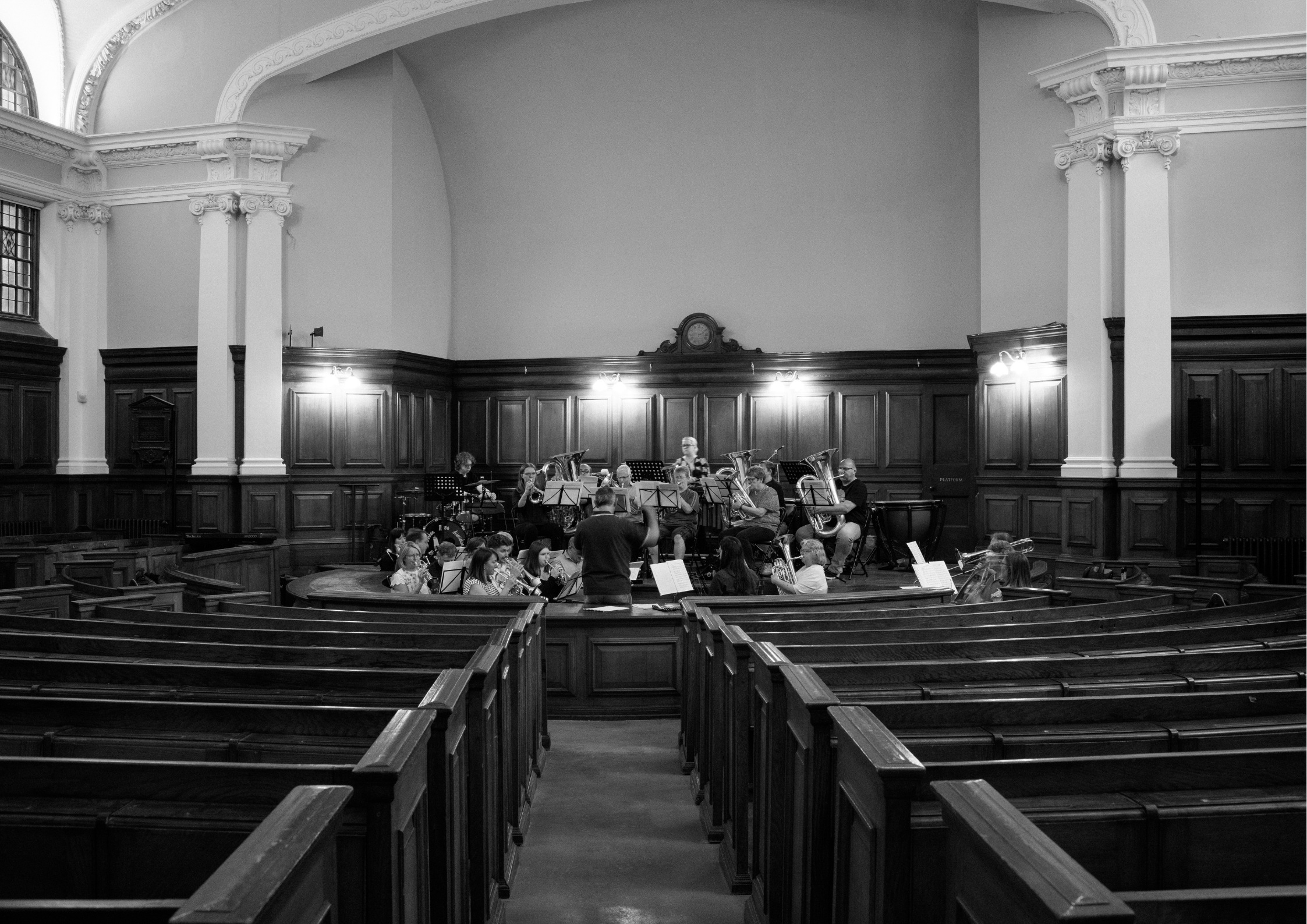
The sound was created by weaving together and manipulating brand new and archival recordings. We used some of the earliest known recordings of a colliery brass band (circa 1912), then re-recorded the current Durham Miners’ Association Band performing the same pieces of music. All the music has been treated with reverb - with the sonic atmosphere - of a coal mine.
The spoken word part was created by drawing on our interviews with coal families from across many generations and areas of County Durham and Tyne and Wear. We asked people for their thoughts on climate change, we asked about their Carbon Heritage, about the past they might have inherited and about the future they might build. All the words you hear were spoken by our interviewees, the youngest of whom was five years old and the oldest 94.
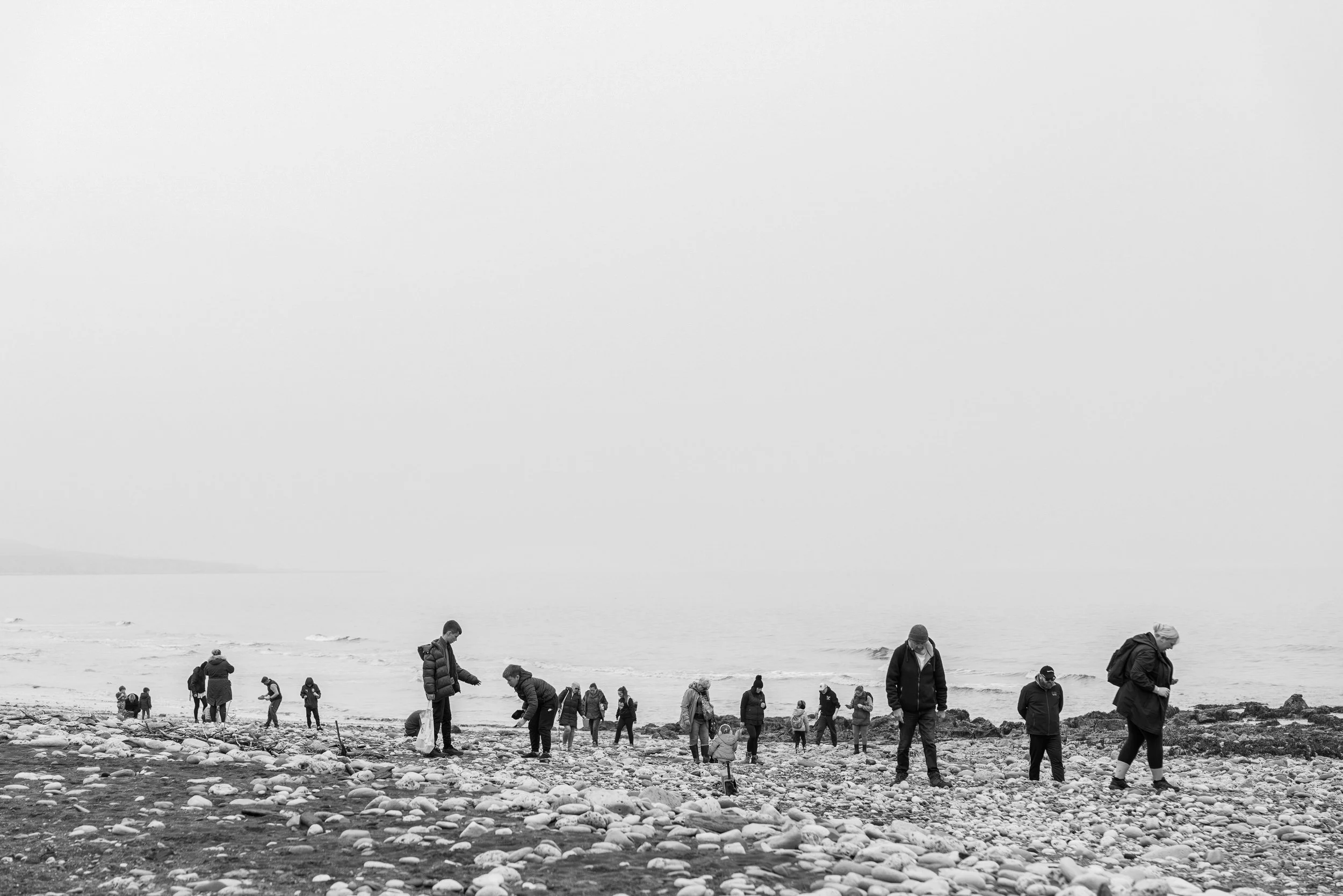
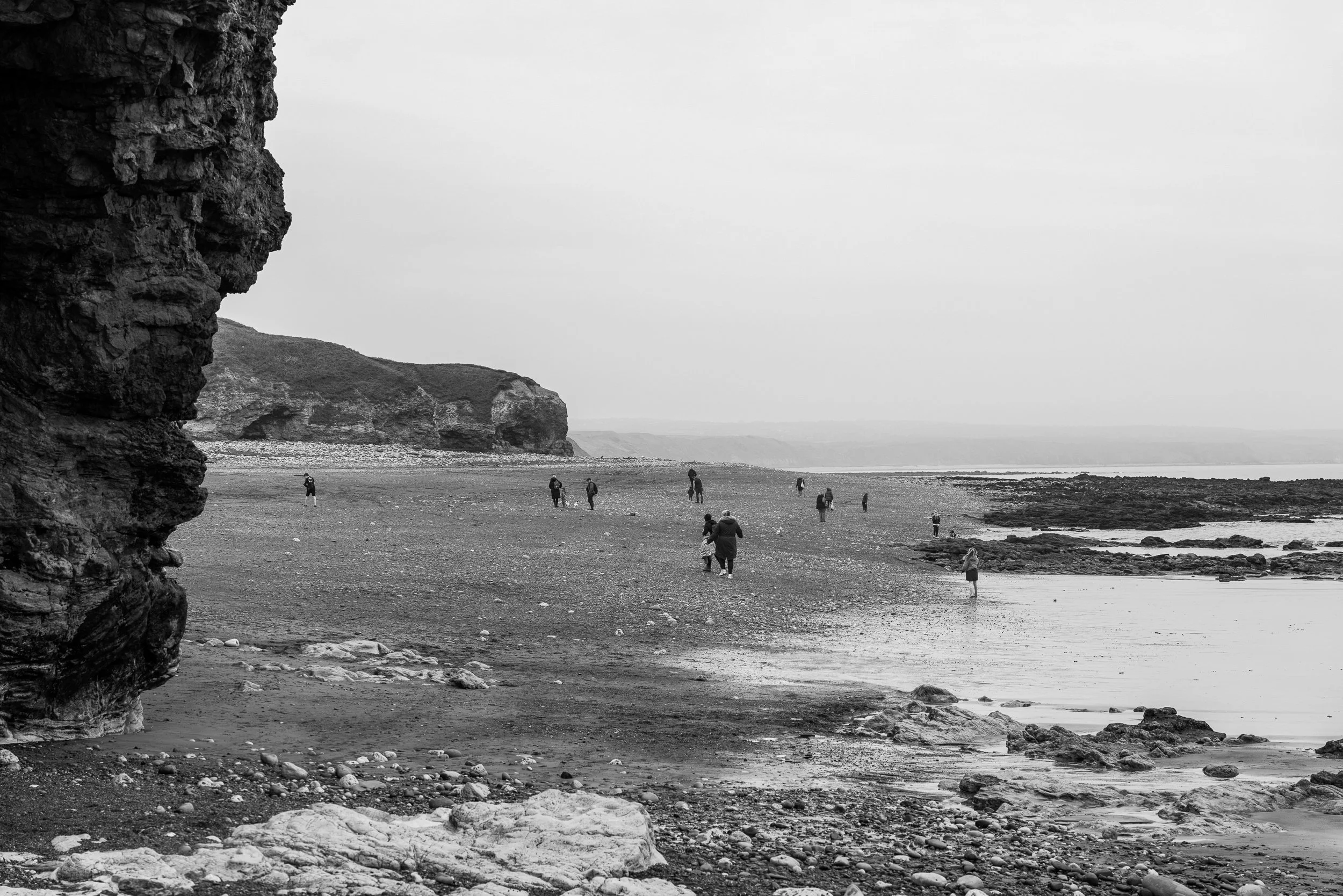
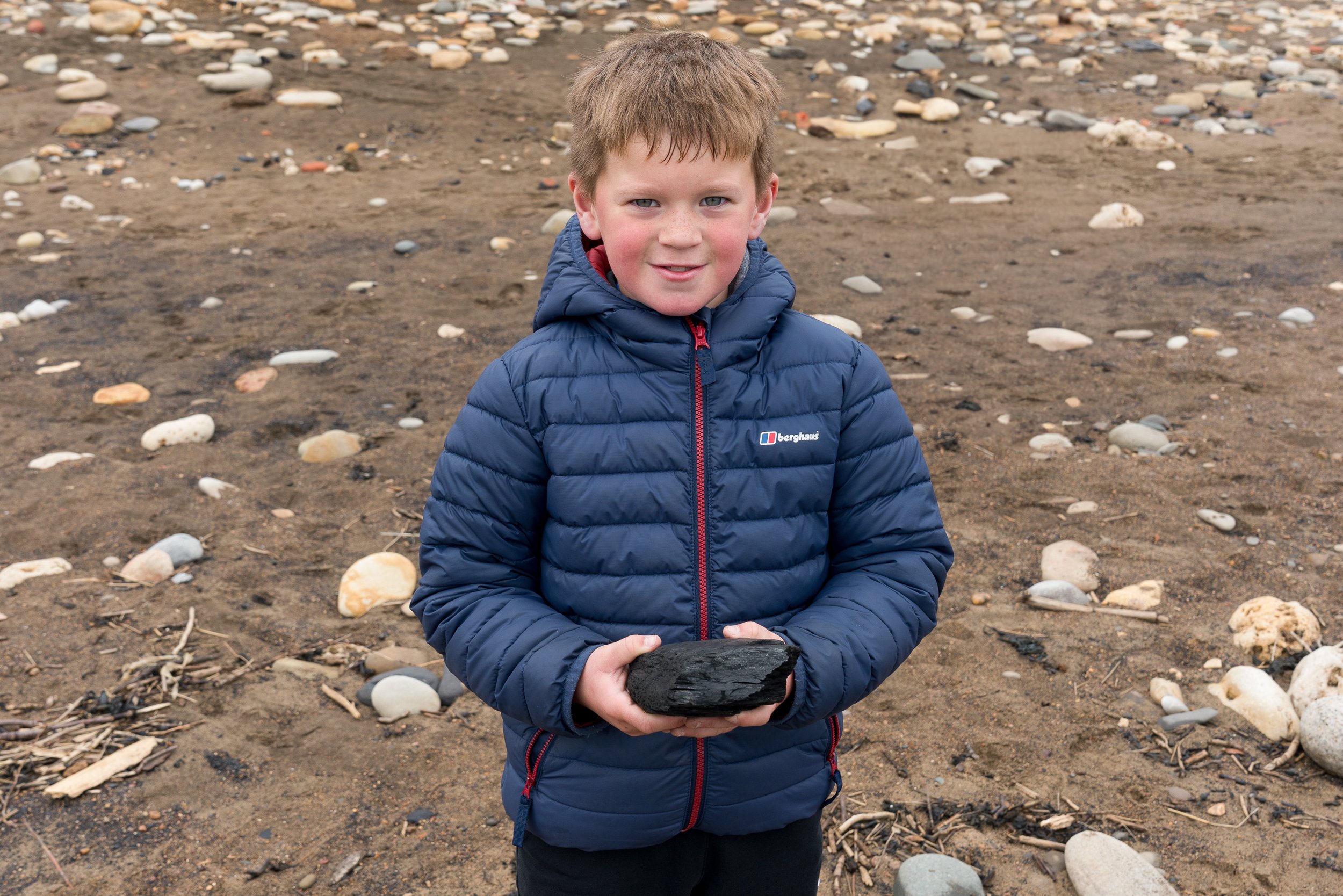
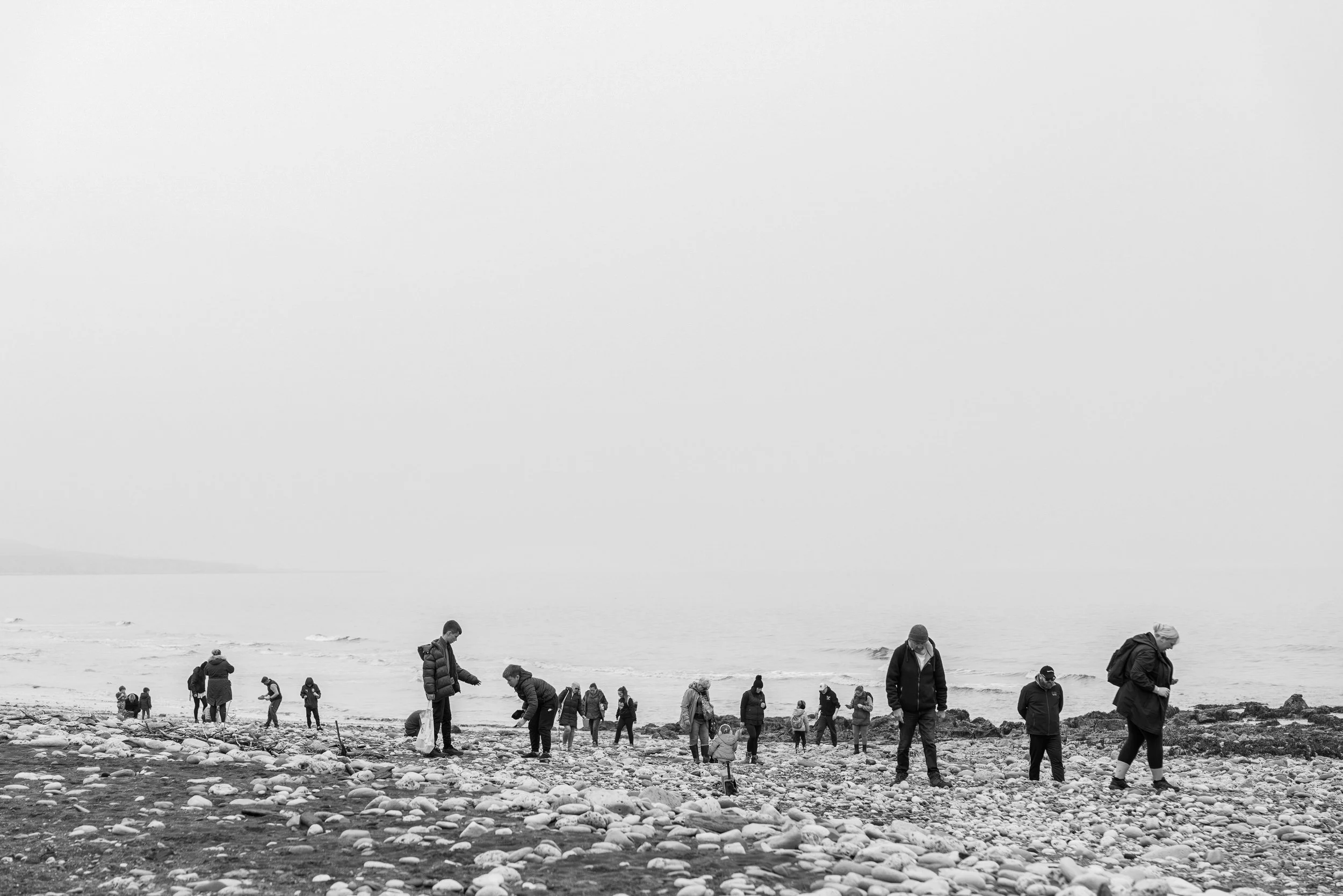
Every record is embedded with fragments of coal, picked in big chunks from the beach at Blackhall Colliery.
Each of these 100 records is an heirloom, entrusted to the care of families and institutions who carry and bear witness to parts of our collective Carbon Heritage story. We hope they care for them and hand them down with hope and pride.
The Music
Ancestral Reverb has three movements. Each movement was built around, and is titled after, a core piece of original music. Bert Verso sampled and manipulated these pieces, weaving through his own new sounds and compositions.
Movement I, ‘Slaidburn’, was built around music composed by William Rimmer circa 1909. We used recordings of this piece played by the St Hilda Colliery Band in 1912 and the Durham Miners’ Association Band in 2024.
Movement II, ‘The Poet and the Peasant’, was built around music composed by Franz von Suppe in 1846. We used recordings of this piece played by the St Hilda Colliery Band in 1921 and the Durham Miners’ Association Band in 2024.
Movement III, ‘Tessellations’, was built around music composed by Beccy Lund in 2023. The movement begins with a sample of the Hetton Silver Prize Band playing ‘Sinfonietta Pastorale’, a band test-piece composed by Henry Geehl in 1946. Movement III also includes a recording of the Blackhall Community Choir made in 2024.
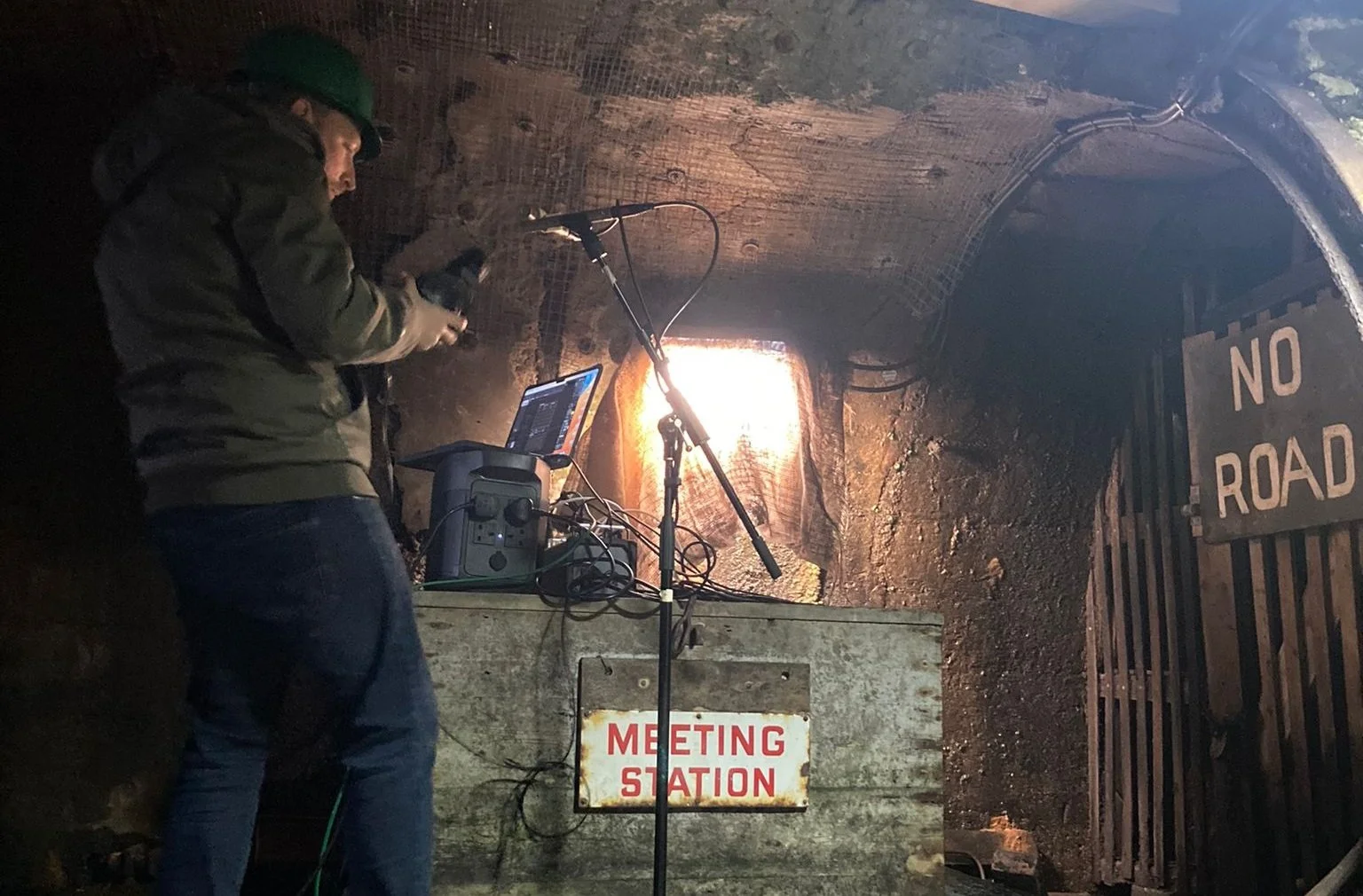
Liam Gaughan captured the Impulse Response of the Mahogany Drift Mine at Beamish Living Museum, and all three movements were creatively treated with this mine reverb effect.
Creative Contributors
Ancestral Reverb is a project by Threads in the Ground. We help people think and talk about climate change in hopeful ways.
Ancestral Reverb is a collaboration between Bert Verso, Jacob Polley and Adam Cooper.

To the interviewees:
There were more stories, ideas, and emotion than we could ever have distilled down into one record.
Thank you for everything, even and especially what we couldn’t include.
Bert Verso created the music and sounds. Parts of the piece are original compositions by Bert. Bert wove these compositions together with recordings of colliery bands and other sources, some he left mostly untreated and some he heavily manipulated.
Jacob Polley composed the poem, collaging together words, as spoken by coalminers and their families in interviews, then rearranging those words again once they were recorded by the voice artists. Jacob also directed the voice artists.
Our voice artists are Laura Brewis, Scarlett Cullen and Richard Dawson
Recording of the Durham Miners’ Association Band and the voice artists, and the final mixing and mastering, by John Martindale of Blank Studios.
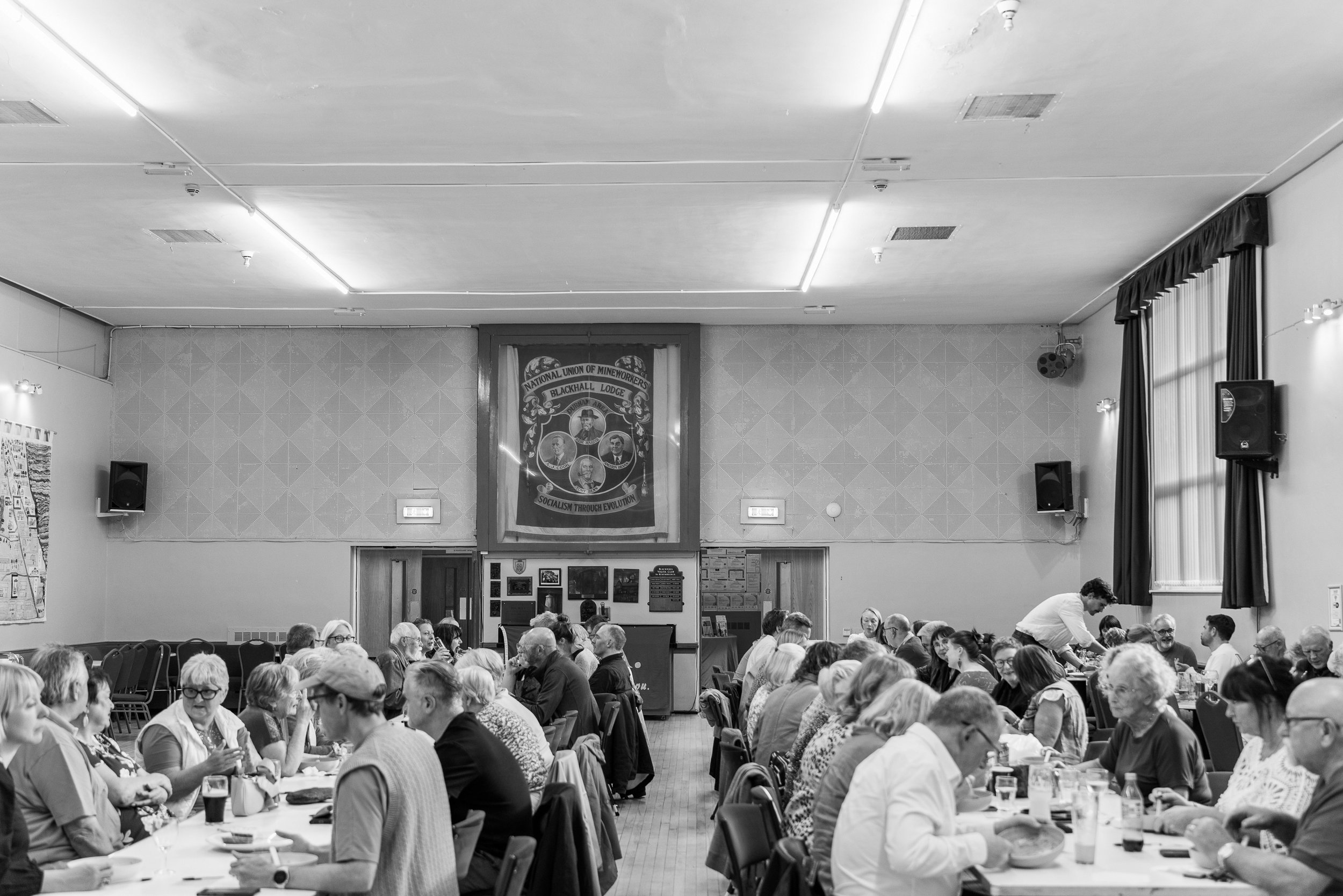
Project photography by Andy Martin (tintype portraits and digital Redhills shoot), and Rachel Deakin (digital photos of community coal picking, and listening event shots).
Community interviews by Adam Cooper and Oliver Armstrong.
Project concept by Adam Cooper.
Album artwork and record sleeve design by Simon Canaway of Supanaught.
The “Impulse Response” reverb of Mahogany Drift Mine was captured by Liam Gaughan
Coal-embedded vinyl records and record sleeves produced by And Vinyly.
Interviewees - in order of interview date
Dot Innerd
Lorraine Malyan
Philip Malyan
Nick Malyan
Susan Furness
Chloe Alice Scott
Connie Drew Scott
Denise Scott
Alan Mardghum
Jackie McCowliff
Terry Watkin
Dave Anderson
Alison Paterson
Nancy Grigg
Paul Taylor
Jean and Wray Gorton
Marie and Raymond Philpott
Dave and Val Owens
Ian and Pat Hannaht
Ellie Ratcliffe
Karen Hepple
David Hume
Elizabeth Richards
Ellie Richards
Bill and Jean Stalker
Jim Hughes
Victoria Hughes
Theodore Stanley Hughes Clarke
Margot Evangeline Theresa Hughes Clarke
Steve Fergus
Michael Normandale
Dorothy Normandale
Victoria Normandale
Project Gallery